
Managing wood waste is a reality for land clearing, forestry, reclamation, and industrial development projects. One of the most common questions project managers face is whether open burning is sufficient — or whether a more controlled, industrial wood waste solution is the better choice.
The answer depends on cost, compliance requirements, environmental impact, and project risk. Below is a practical comparison to help decision-makers understand the trade-offs and make informed choices.
What Is Open Burning?
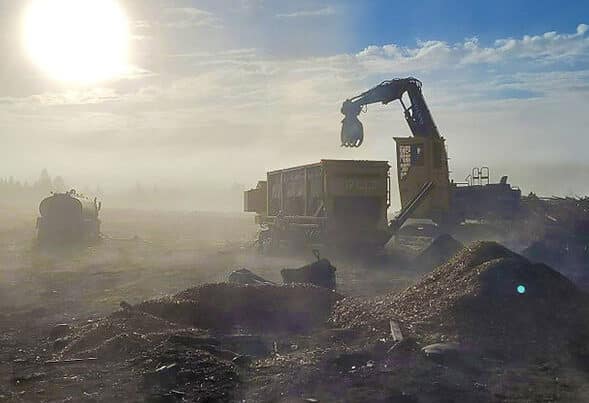
Open burning involves piling clean wood waste and burning it in the open air, often with minimal containment or airflow control. It is typically used on:
-
Remote sites
-
Small-scale clearing projects
-
Short-duration operations
Open burning can be permitted in some regions, but it is often subject to strict weather conditions, seasonal restrictions, and regulatory approval.
What Is Air Curtain Burning?
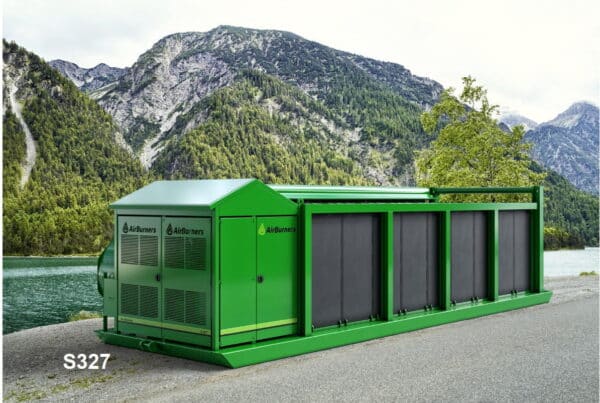
Air curtain burning (ACB) is a method of burning clean wood waste using a high-velocity curtain of air blown across the top of a burn box or pit. This air curtain traps smoke, sparks, and particulate matter, forcing them back into the combustion zone where they are re-burned at higher temperatures.
The result is:
-
More complete combustion
-
Significantly reduced visible smoke
-
Lower particulate emissions compared to open burning
Air curtain burners are commonly used for:
-
Land clearing projects
-
Forestry operations
-
Oil and gas site reclamation
-
Municipal and industrial debris management
What Are Industrial Wood Waste Solutions?
Industrial wood waste solutions use engineered systems and controlled processes to manage debris more efficiently and with fewer environmental impacts. These may include:
-
Air curtain burning systems
-
Burn boxes or controlled pits
-
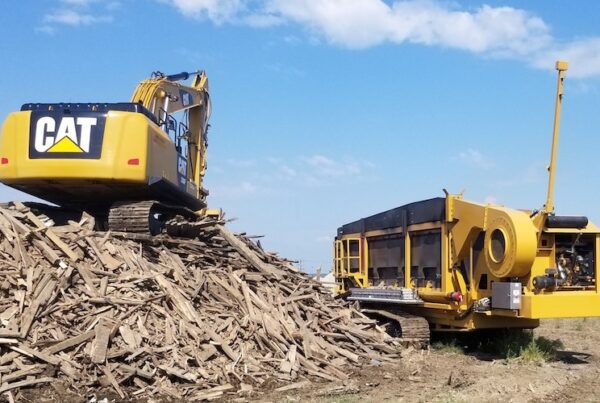
Mechanical processing combined with on-site disposal
-
Integrated debris management plans
These approaches are designed for larger volumes, tighter timelines, and higher compliance requirements.
Cost Comparison: Short-Term vs Long-Term
Open Burning
Pros
-
Low upfront cost
-
Minimal equipment requirements
Cons
-
Longer burn times
-
Higher labour demands
-
Increased cleanup and monitoring
-
Greater risk of delays due to weather or burn bans
While open burning may appear cheaper initially, extended timelines and stoppages can quickly erode those savings.
Industrial Solutions
Pros
-
Faster material reduction
-
Predictable timelines
-
Reduced labour hours
-
Less downtime due to weather variability
Cons
-
Higher upfront equipment and mobilization costs
For large or time-sensitive projects, industrial solutions often prove more cost-effective overall, despite higher initial investment.
Compliance and Regulatory Considerations
Open burning is increasingly regulated due to air quality and safety concerns. Common restrictions include:
-
Limited burn windows
-
Smoke and particulate thresholds
-
Proximity to communities or infrastructure
-
Mandatory monitoring and reporting
Industrial wood waste solutions are often more readily approved because they:
-
Reduce visible smoke
-
Improve combustion efficiency
-
Offer better containment and control
For projects operating under environmental permits or public scrutiny, compliance alone can justify moving beyond open burning.
Environmental Impact Comparison
Open Burning
-
Higher smoke output
-
Less complete combustion
-
Increased particulate emissions
-
Greater risk of fire spread
Industrial Wood Waste Solutions
-
Cleaner, more efficient combustion
-
Reduced particulate and visible emissions
-
Improved ember and spark control
-
Lower environmental and reputational risk
While neither approach is impact-free, controlled industrial methods significantly reduce environmental footprint.
Safety and Operational Risk
Open burning introduces higher safety risks, including:
-
Uncontrolled embers
-
Variable burn behaviour
-
Increased fire watch requirements
Industrial solutions offer:
-
Better containment
-
Controlled burn zones
-
Safer working conditions for crews
For many industrial operators, risk mitigation is as important as cost or speed.
When Open Burning May Still Make Sense
Open burning can be appropriate when:
-
Material volumes are small
-
Sites are remote and isolated
-
Regulations explicitly permit it
-
Project timelines are flexible
Even then, careful planning and monitoring are essential.
When Industrial Solutions Are the Better Choice
Industrial wood waste management is often the better option when:
-
Volumes are large
-
Schedules are tight
-
Environmental compliance is critical
-
Projects are near sensitive areas
-
Predictability and safety matter
Choosing the Right Approach
There is no single solution for every project. The right choice depends on site conditions, regulatory environment, timeline, and risk tolerance.
Prairie Creek Energy Services helps clients evaluate these factors and determine the most effective wood waste management strategy for each project — balancing cost, compliance, and environmental responsibility.


 Spruce Grove, Alberta


